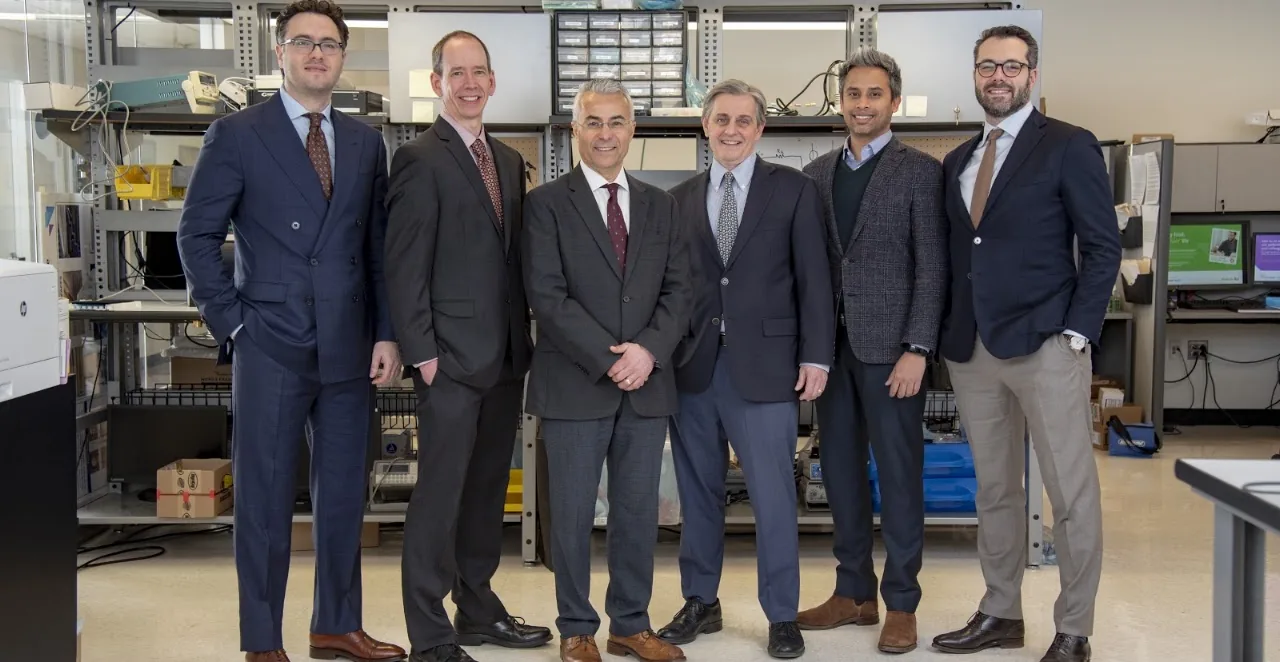
Engineering the technology behind bioelectronic medicine
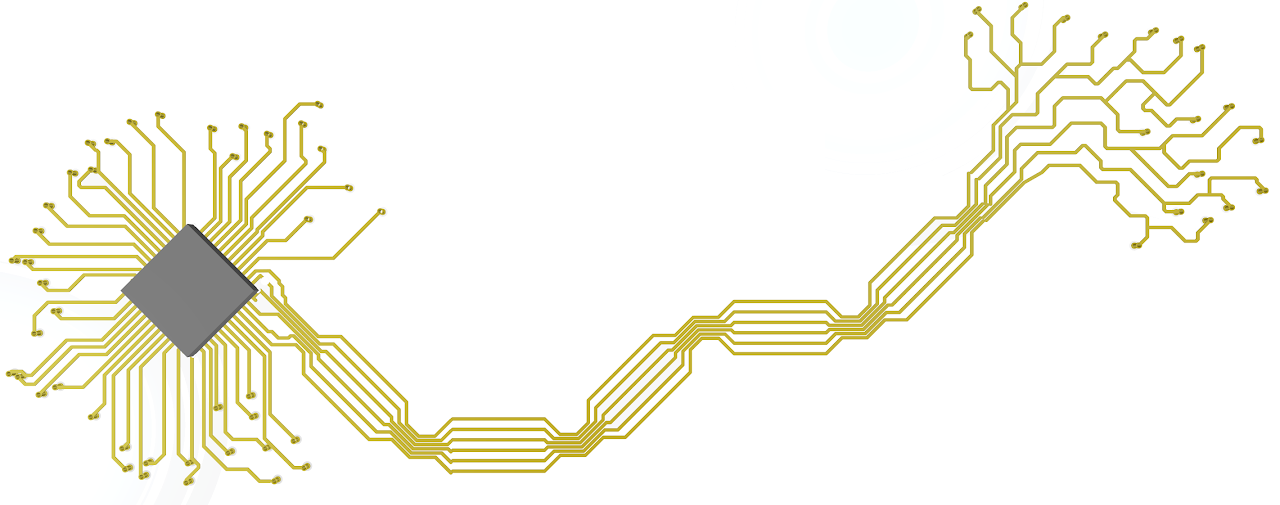
The Bioelectronics Lab develops new neuromodulation technology and uses it to discover bioelectronic therapies. Its work spans fully implantable wireless systems for freely moving mice, stimulation that targets specific fibers within a nerve, and wearable stimulators and other devices for clinical studies. The lab is part of the Institute of Bioelectronic Medicine at the Feinstein Institutes.
Featured Research: Implantable Neuromodulation Platform
To our knowledge, the smallest bidirectional neuromodulation system for mice
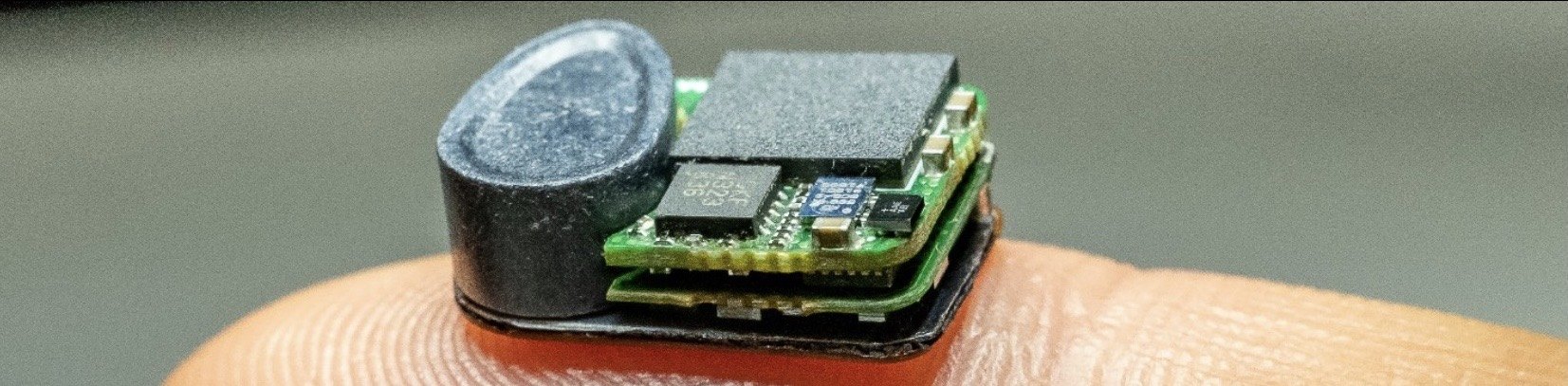
A complete closed-loop neuromodulation platform for mice in about 1.5 cm³, built from off-the-shelf components so that other labs can reproduce it. It records neural and physiological signals, stimulates nerves, streams data over a 2.4 GHz link to our FIMR Studio software, and recharges wirelessly from a coil around the animal's home cage, so chronic experiments run without tethers or repeated handling. The implant and FIMR Studio are available to other research groups.
| Volume | ≈1.5 cm³, down from 2.2 cm³ in 20221,2 |
|---|---|
| Stimulation | Biphasic; arbitrary waveforms up to 10 kHz1,3 |
| Control | Closed-loop, on board1 |
| Telemetry | Bidirectional 2.4 GHz link; zero data loss down to −75 dBm1,2 |
| Power | Rechargeable battery, resonant wireless charging1,2 |
| Components | Commercial parts only, no custom chips1,2 |
Research
All researchThe lab develops devices under an ISO 13485-compliant quality system, so that they are ready for IDE and FDA submission.
-
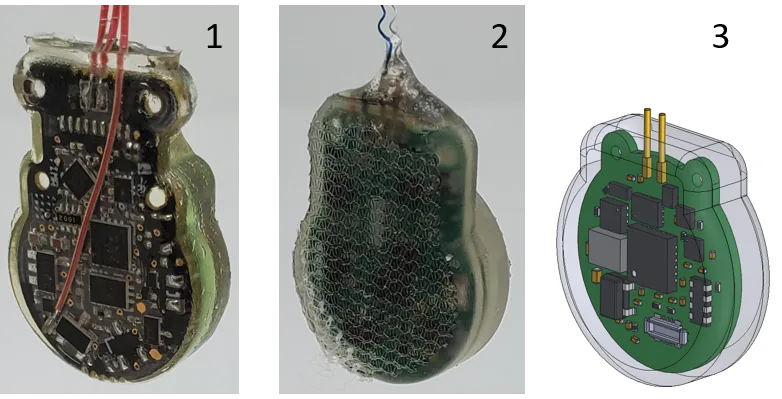
Wireless implants
Fully implantable stimulators and recorders for freely moving mice, recharged wirelessly and controlled from our FIMR Studio software.
-
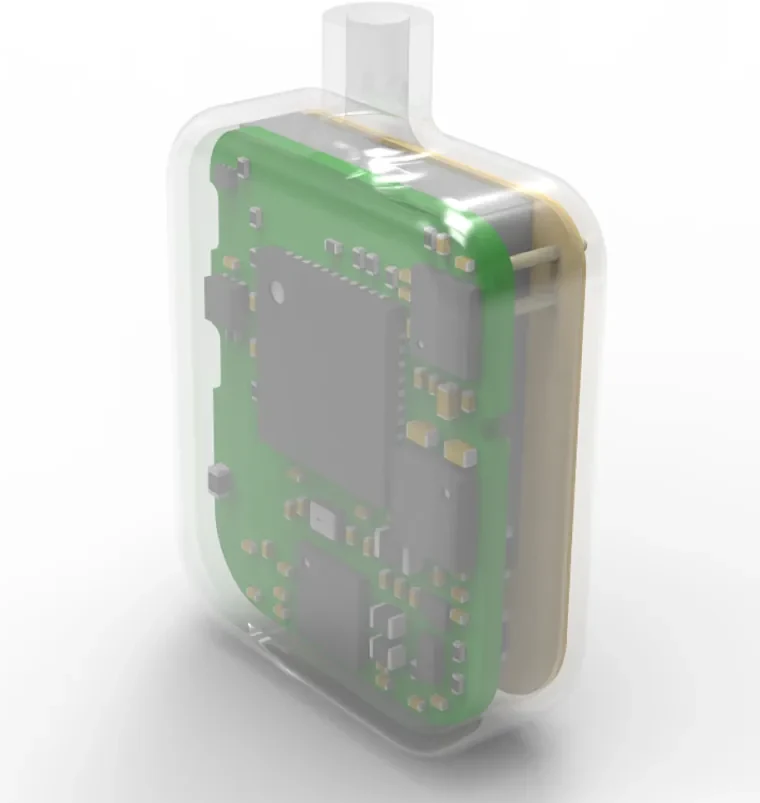
Wireless telemetry
A radio protocol that streams neural data from millimeter-scale implants without gaps, on commercial 2.4 GHz hardware.
-
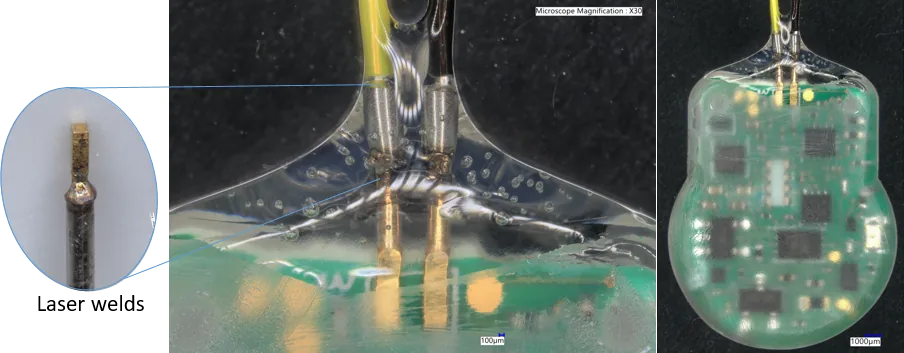
Implant packaging
Light polymer enclosures, coatings and feedthroughs that keep electronics working through chronic studies in mice.
-
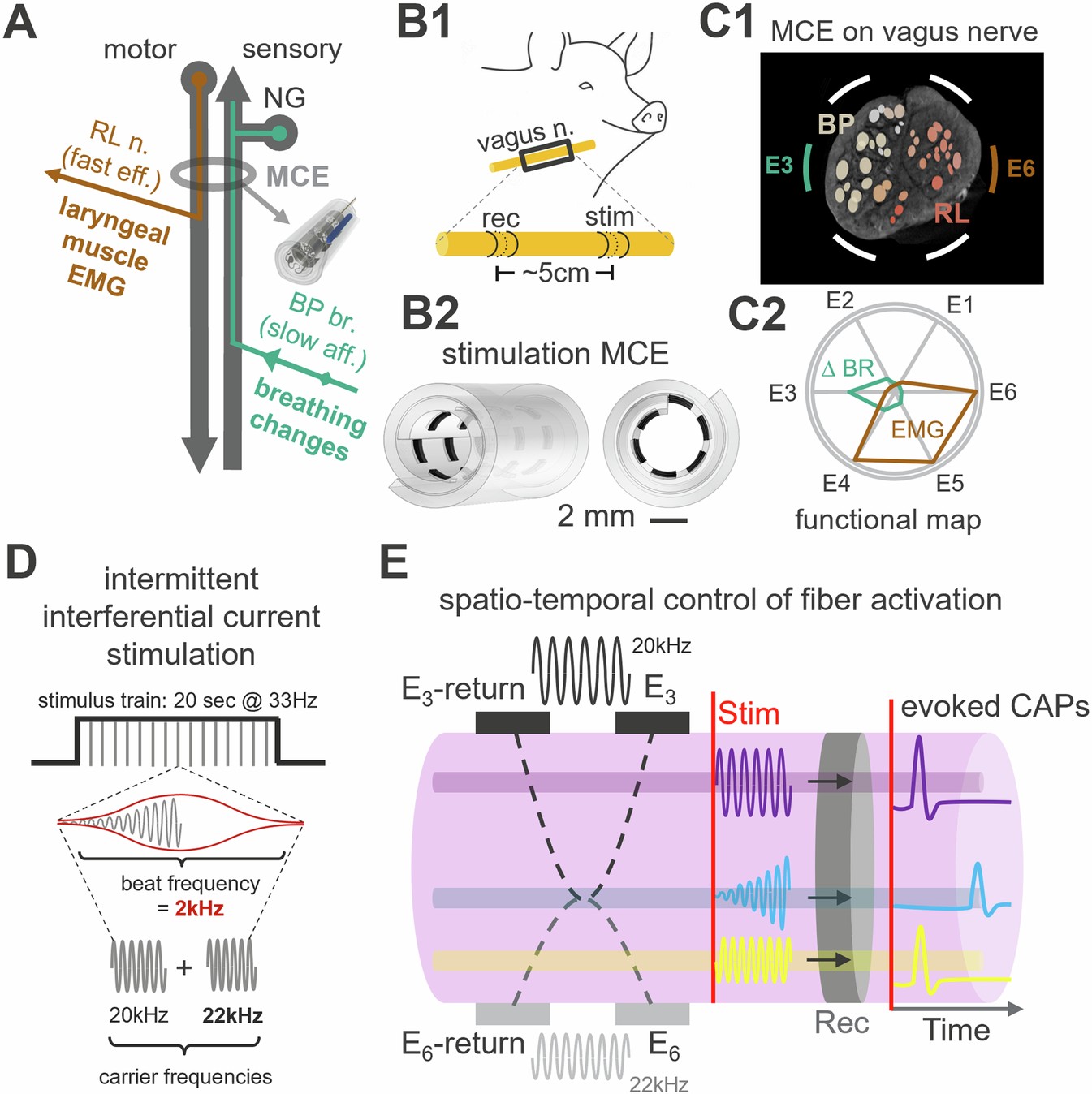
Selective nerve stimulation
Interferential and kHz stimulation through multi-contact cuffs that targets organ-specific fibers in the vagus nerve.
-
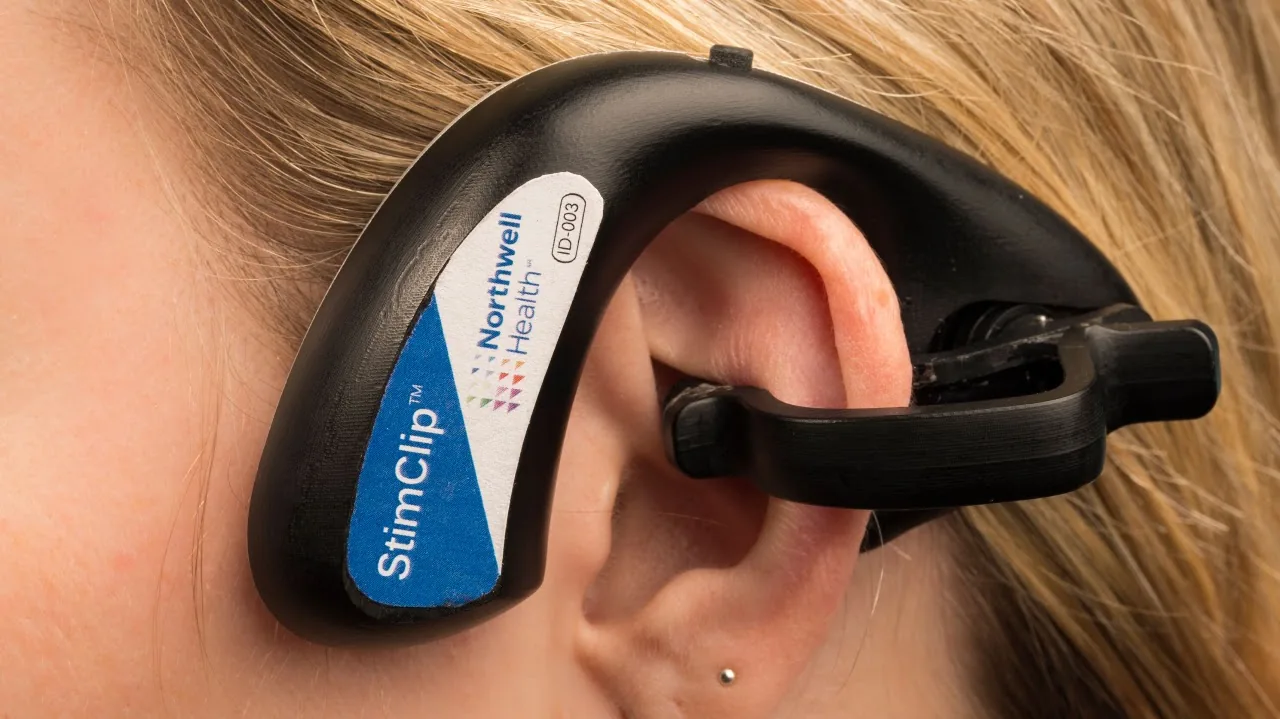
Wearable stimulation
Over-the-ear devices for transcutaneous auricular vagus nerve stimulation, used in clinical studies at Northwell Health.
-
Clinical devices
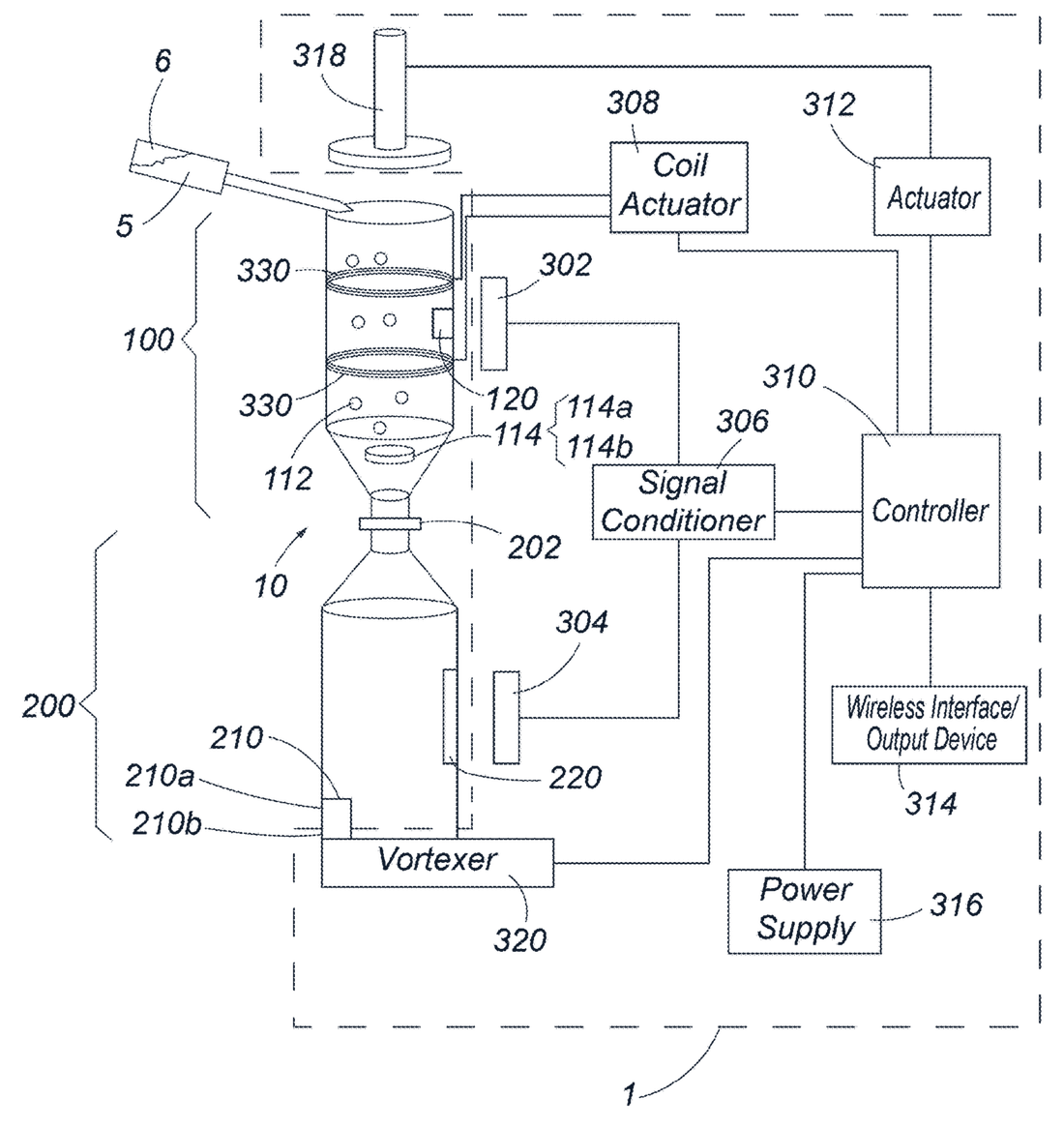
Rapid detection of bacteria in fluid samples and an air-filtering surgical helmet, developed with the Center for Learning and Innovation at Northwell Health.
News
All news-
Event
Demonstrating our wireless implant platform at the 7th Bioelectronic Medicine Summit
The Bioelectronics Lab was at the 7th Bioelectronic Medicine Summit on September 28 and 29, held at The Lighthouse at the beautiful Chelsea Piers on Manhattan's Hudson River waterfront, where we demonstrated our wireless implantable neuromodulation platform.
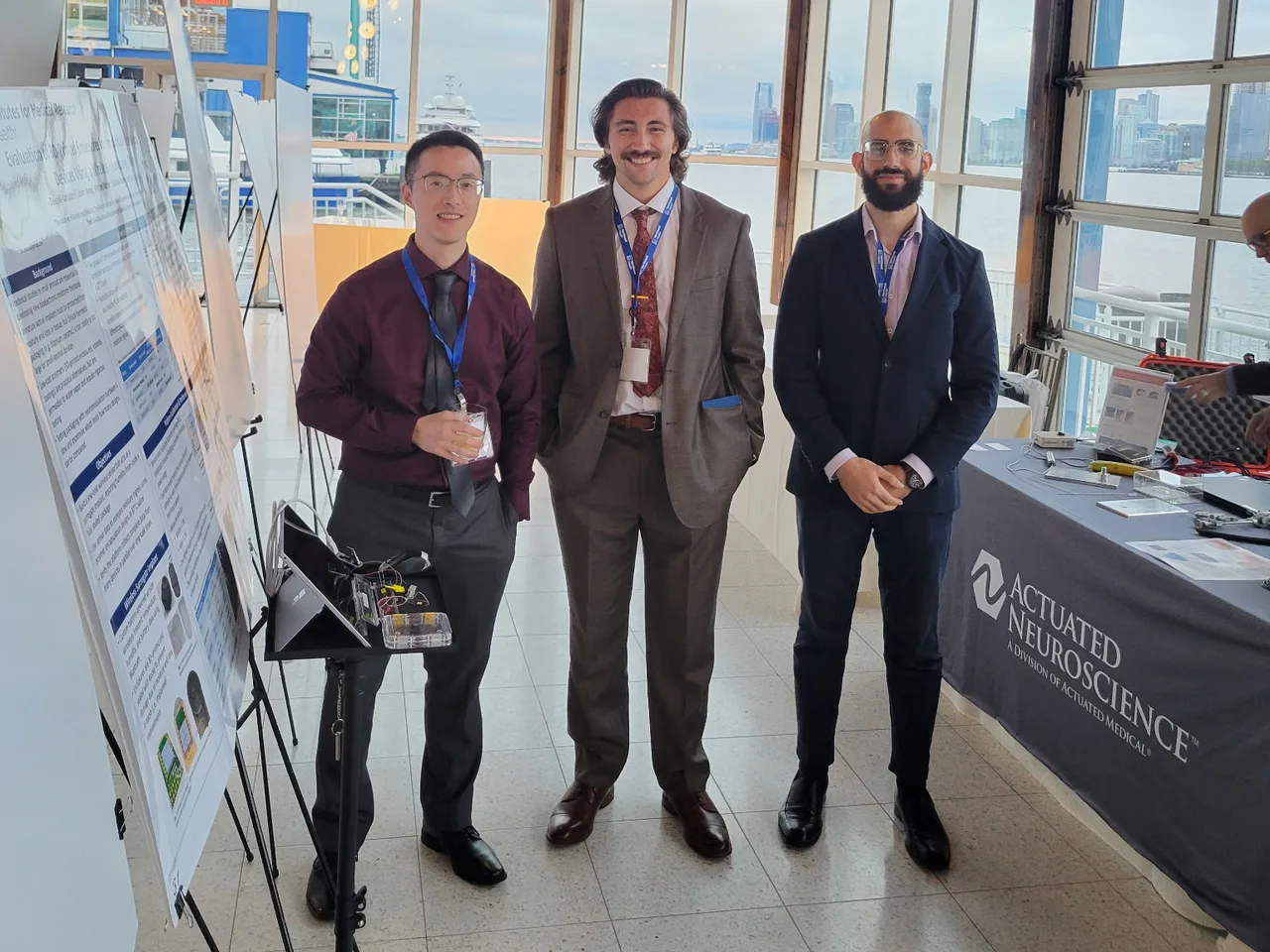
Lab members at the 7th Bioelectronic Medicine Summit, Chelsea Piers, September 2026. -
People
Wrapping up the summer student research
We wrapped up this summer's student research. Deepak Karupen, a visiting scholar, worked on implant enclosures and wireless sensing, and Sahana Benny, a research intern, on materials and reliability testing for implant packaging. We celebrated with a lab lunch.
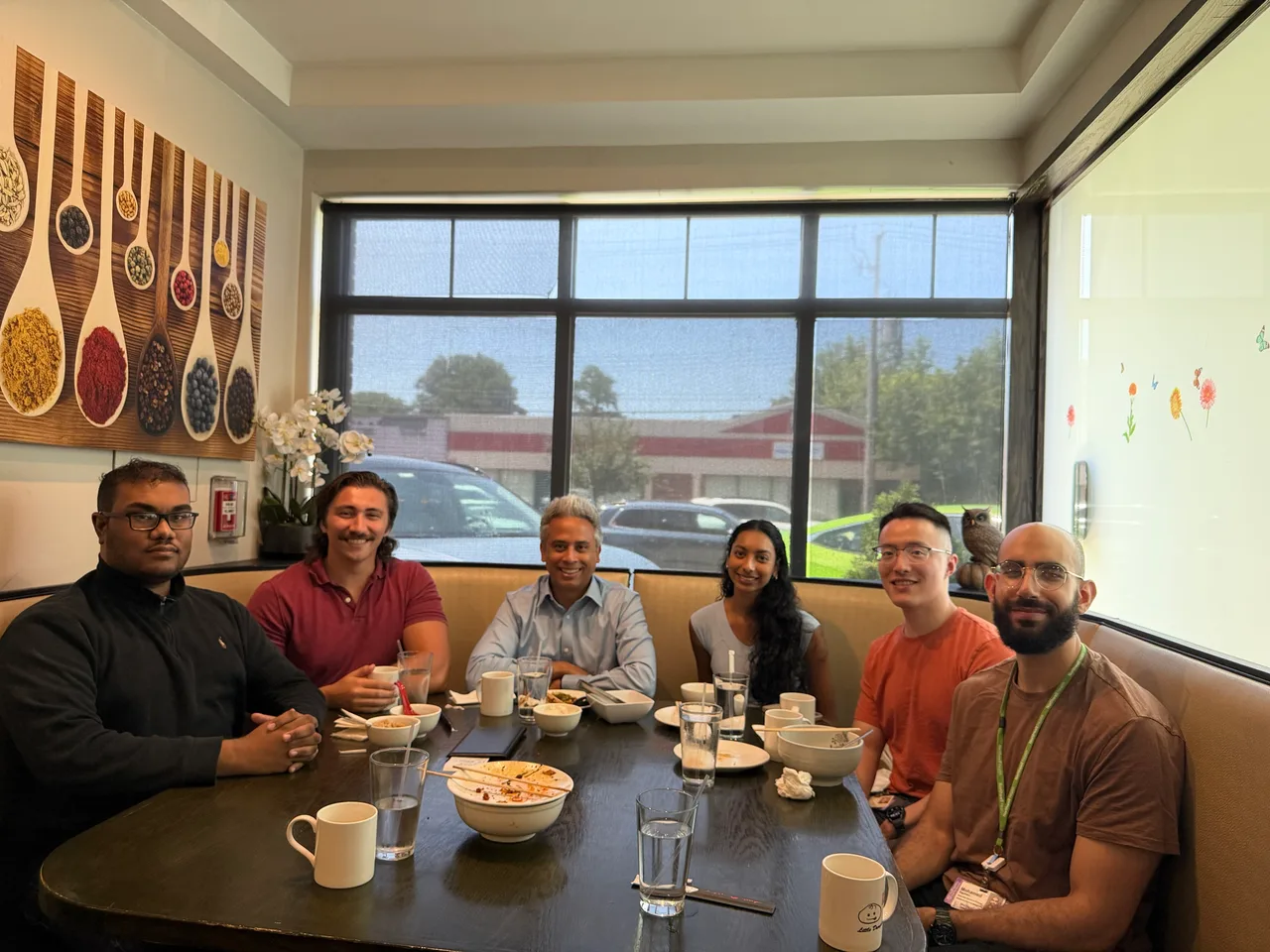
The lab lunch that closed out the summer program. -
Paper
Minimally invasive brain stimulation improves speech perception
With Stephan Bickel's group, we delivered brain stimulation through hardware that epilepsy patients already have during intracranial monitoring: the epicranial reference electrodes and the cranial bolts that anchor depth electrodes. The current bypasses the skin, avoiding the shunting that limits transcranial stimulation. In five patients, 100 Hz pulses whose amplitude followed the envelope of the sentence being heard improved accuracy on a speech-in-noise task in five of six sessions, more often when stimulation began 50 ms after sentence onset than at 200 ms. Published in Hearing Research.
-
Paper
Real-time wireless telemetry for miniaturized implants
Our Neural Real-Time Telemetry Protocol (NRTP) streams neural data from implants built with off-the-shelf 2.4 GHz hardware. It had zero data loss down to −75 dBm, while Bluetooth Low Energy's performance degraded below −55 dBm. Led by Mohamed Elgohary, in Bioelectronic Medicine.
-
Abstracts
Three abstracts from the 6th Bioelectronic Medicine Summit
Polymer packaging for chronic wireless implants in mice (Jason Wong), data-loss mitigation for wireless neural streaming (Mohamed Elgohary), and computational models for selective nerve stimulation with imec.
Selected findings
All publications-
Our telemetry protocol kept zero data loss down to −75 dBm, while Bluetooth Low Energy degraded below −55 dBm.
Elgohary et al., Bioelectronic Medicine 2026 -
Intermittent interferential current stimulation steered activation between organ-specific fibers in the swine vagus nerve.
Rossetti et al., Nature Communications 2025 -
A fully implantable, wirelessly recharged recording and stimulation system for mice, 2.2 cm³ and 2.8 g, built from commercial components and 3D-printed packaging, delivered vagus nerve stimulation in 12 mice.
Wright et al., Biosensors and Bioelectronics 2022 -
Transcutaneous auricular vagus nerve stimulation reduced pain and fatigue in patients with lupus in a randomized, double-blind, sham-controlled pilot trial.
Aranow et al., Annals of the Rheumatic Diseases 2021
Part of the Institute of Bioelectronic Medicine
The Bioelectronics Laboratory is a core member of the Institute of Bioelectronic Medicine at the Feinstein Institutes for Medical Research, the research arm of Northwell Health. As an engineering lab within the institute, we build the devices that partner labs and clinicians use to develop new therapies, and we take part in the clinical studies that use them.