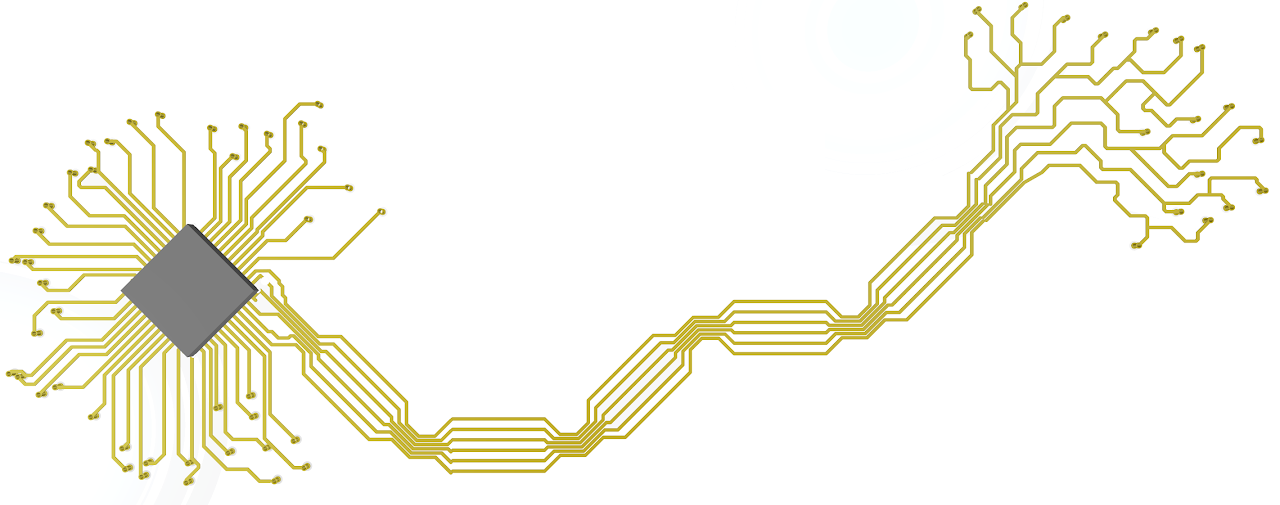
Hardware for bioelectronic medicine
The Bioelectronics Lab develops new neuromodulation technology, from fully implantable wireless systems for small animals to wearable stimulators for clinical studies, and uses it to discover bioelectronic therapies. Each page below covers one device or method: the problem, our approach, the results and where they were published.
Implantable systems
-
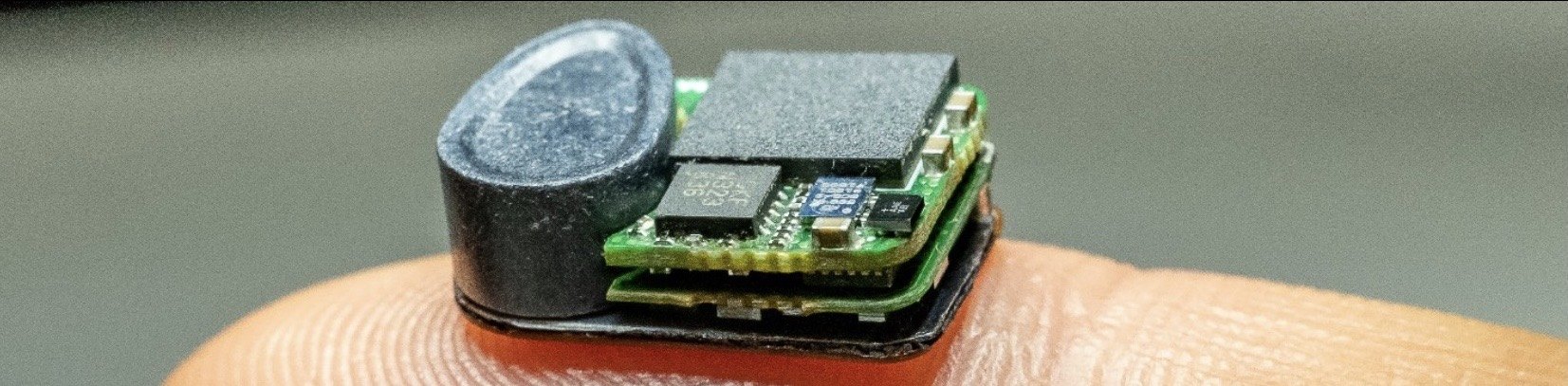
Wireless implant for freely moving mice
A fully implantable, wirelessly recharged neuromodulator that records and stimulates in freely moving mice.
- Preclinical
-
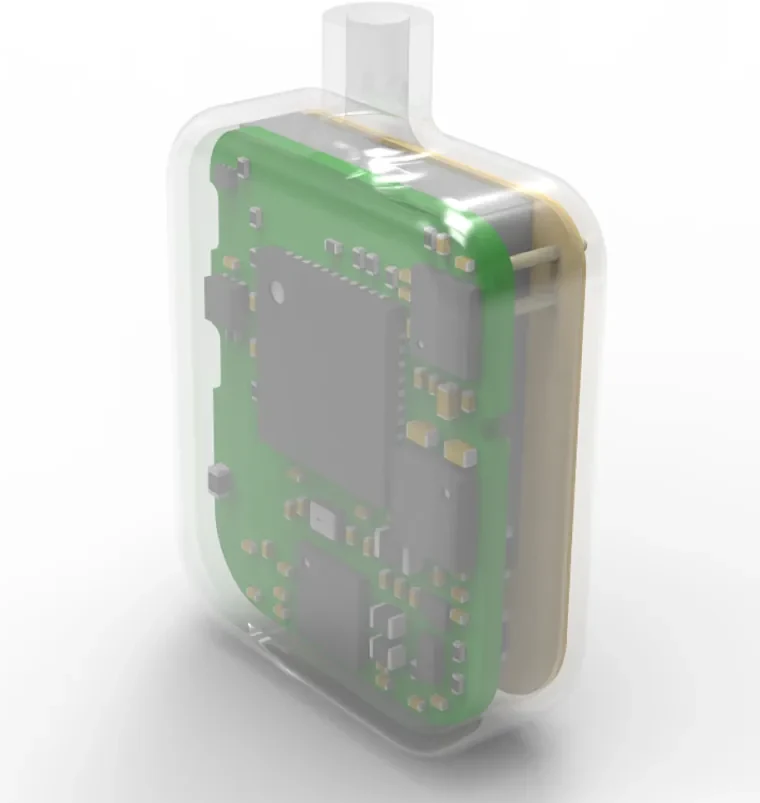
Real-time wireless telemetry for miniature implants
A 2.4 GHz radio protocol that streams neural data from millimeter-scale implants without gaps, on commercial hardware.
- Preclinical
- Published 2026
-
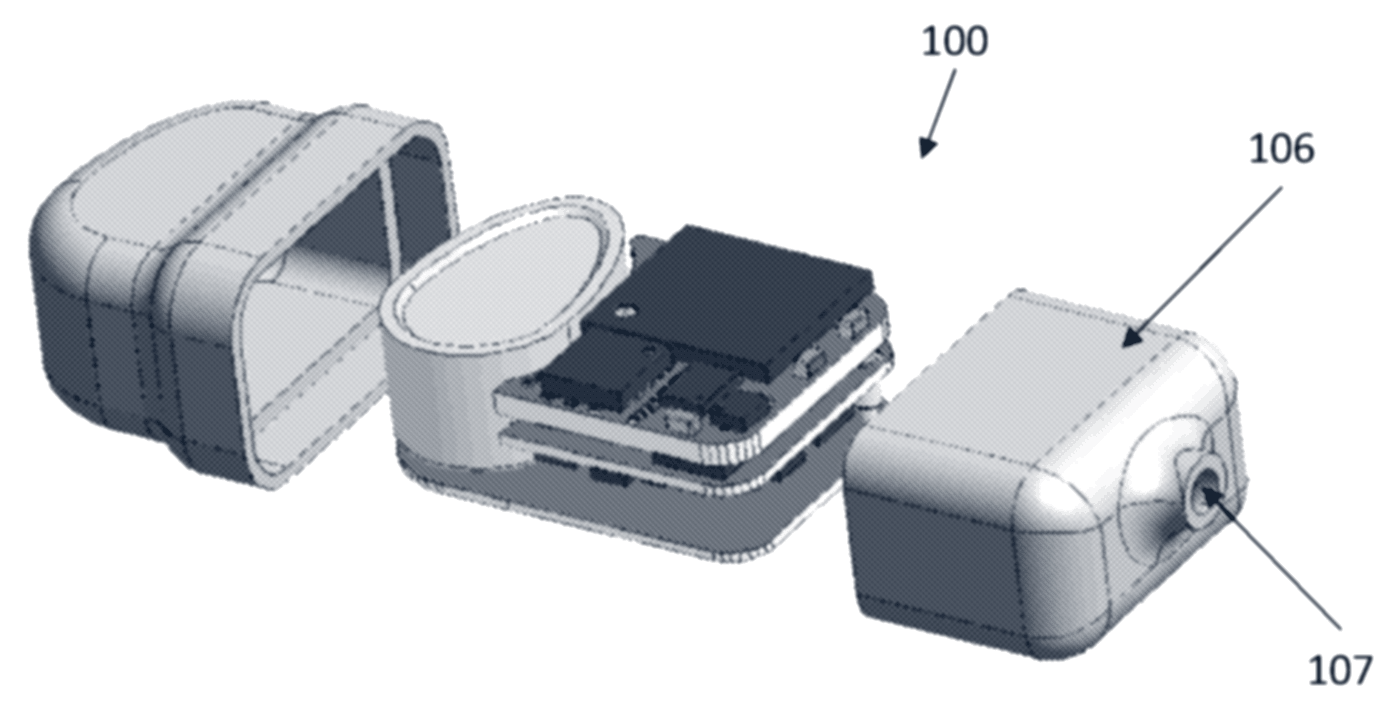
Implant packaging for small animals
Light polymer enclosures, coatings and feedthroughs that keep implant electronics working through chronic studies in mice.
- Preclinical
Nerve stimulation
-
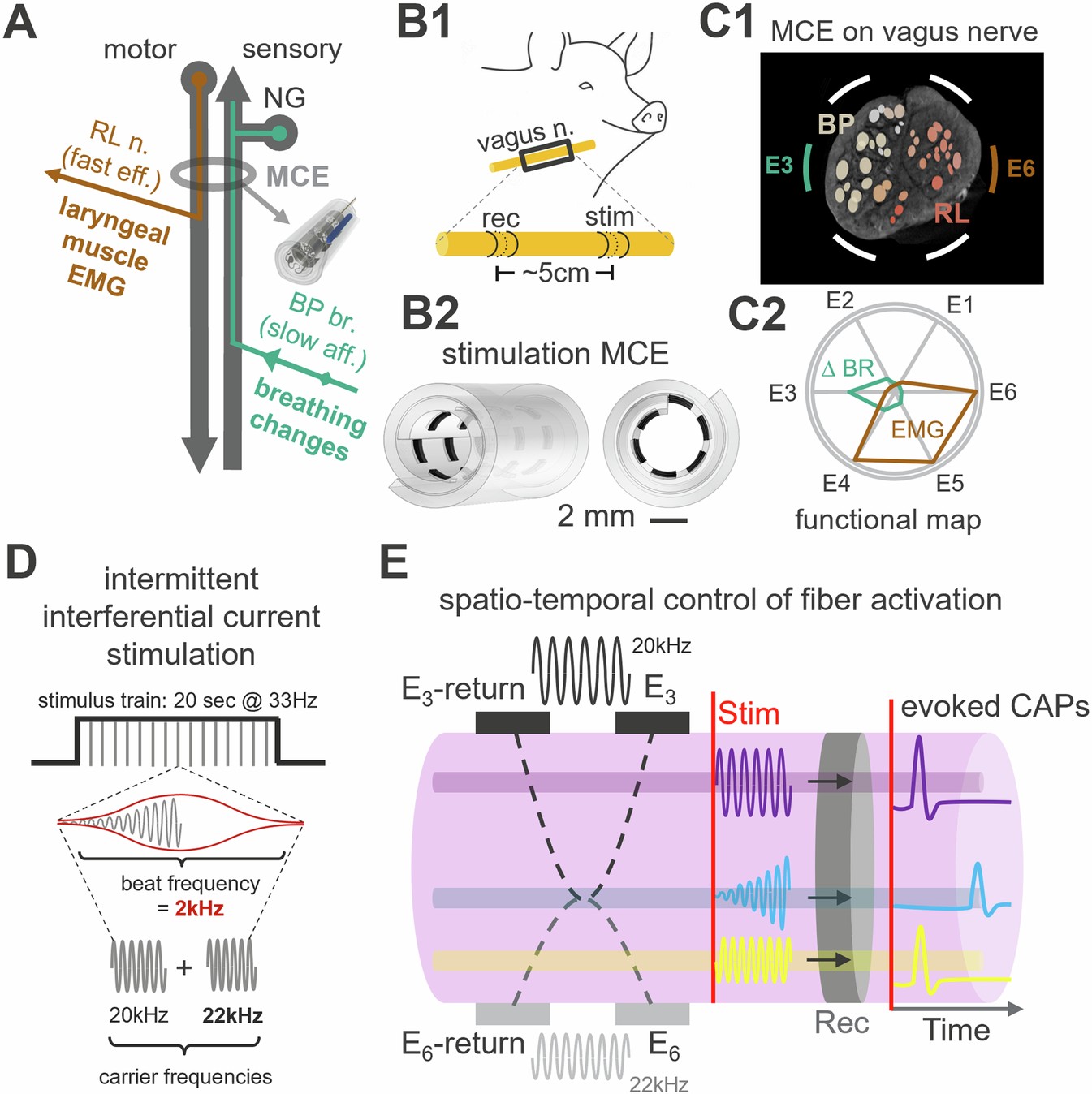
Selective vagus nerve stimulation
Interferential and kHz stimulation through multi-contact cuffs that targets organ-specific fibers inside the vagus nerve.
- Preclinical
-
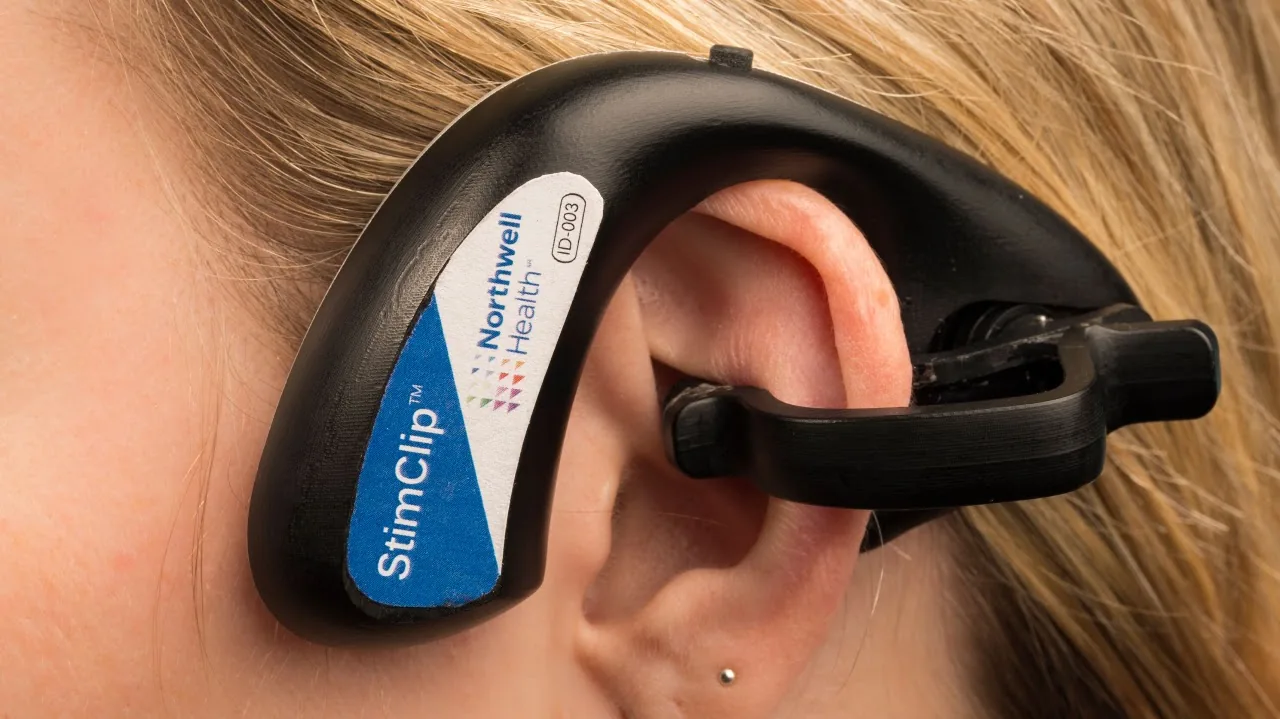
Wearable auricular vagus nerve stimulation
An over-the-ear device that stimulates the auricular branch of the vagus nerve through the skin, used in clinical studies at Northwell Health.
- Clinical studies
Clinical devices
Developed with the Center for Learning and Innovation at Northwell Health. The lab is helping to bring clinician-driven innovation from concept to real medical devices that make a tangible impact on clinical workflow.
-
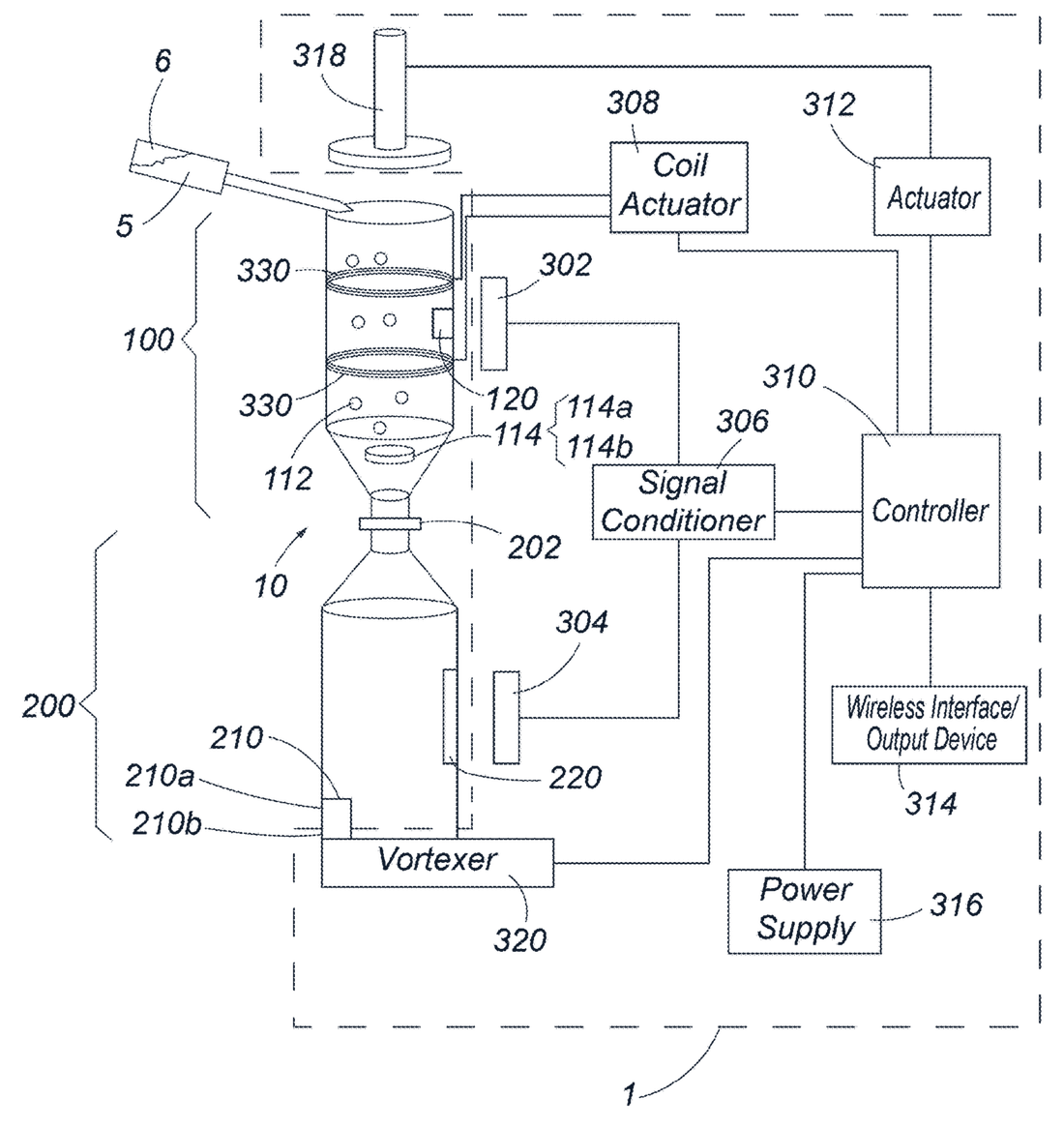
Rapid detection of bacteria in fluids
A disposable two-chamber cartridge and reader that quickly shows whether a fluid sample contains bacteria, developed with the Center for Learning and Innovation at Northwell Health.
-
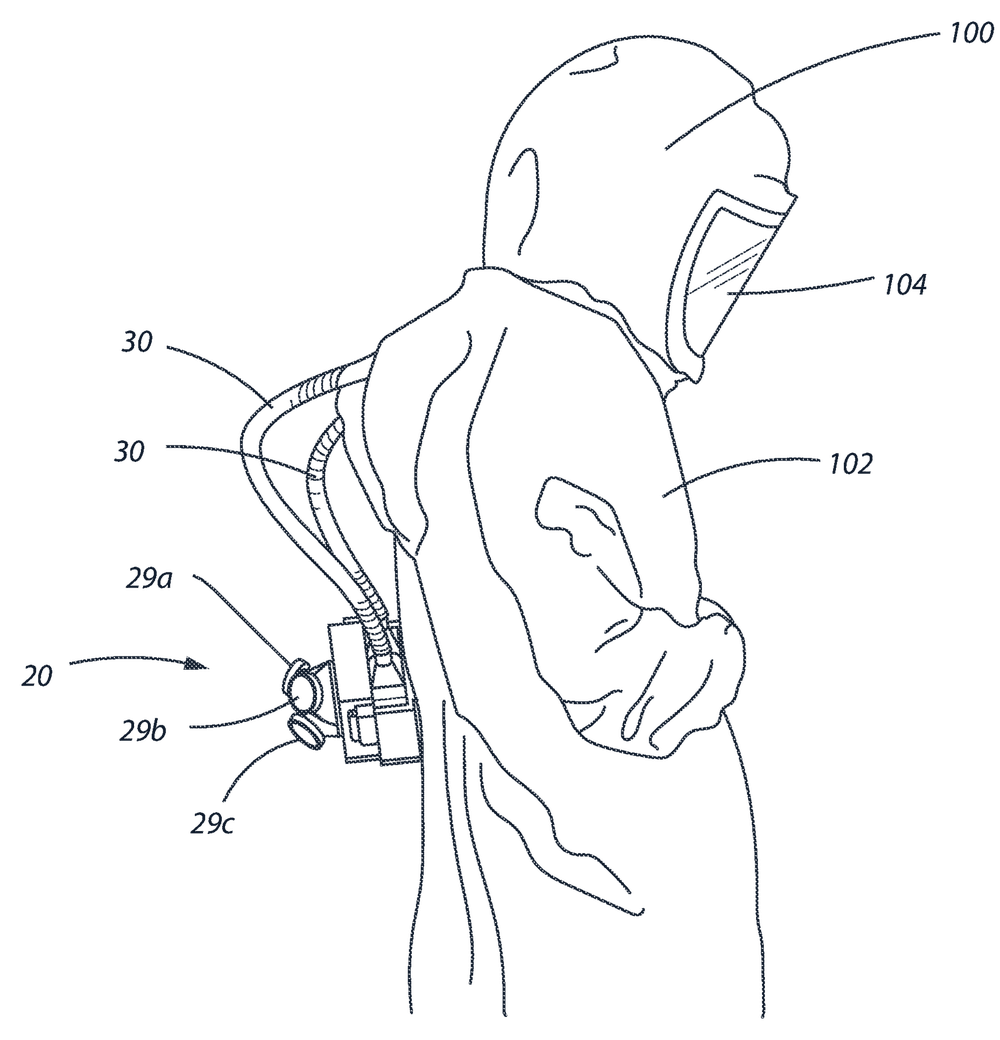
Air-filtering surgical helmet
A positive-pressure helmet and gown that supply filtered air to the wearer's face and keep airborne contaminants out, developed with the Center for Learning and Innovation at Northwell Health.
Quality system
The lab develops devices under an ISO 13485-compliant quality management system, so that they are ready for Investigational Device Exemption (IDE) and FDA submission.